
-
2294 Views
Most businesses use social media to build slow, long-term awareness. Hospitality is the opposite: it's high-frequency, visual, and driven by immediate decisions.
UKCV
Bristol’s food and drink scene is one of the best in the country and one of the most competitive. From Wapping Wharf to Gloucester Road, North Street to the harbourside, diners have endless choice, and most of them decide where to eat with their phone in hand. For a restaurant, café or bar, social media isn’t a nice-to-have any more; it’s the shop window that decides whether a table gets booked or a passer-by walks in. This is a practical playbook for social media marketing that actually fills seats in Bristol.
Why hospitality is different from every other industry on social
Most businesses use social media to build slow, long-term awareness. Hospitality is the opposite: it’s high-frequency, visual, and driven by immediate decisions. Someone scrolling Instagram at 6pm on a Friday is choosing where to eat in the next hour. That changes everything about how a Bristol venue should show up.
- Your product is inherently visual. A plate of food, a cocktail, a busy room, this is content that stops the scroll without any effort. Most industries would kill for that.
- Decisions are local and immediate. People search “brunch near me” and “best cocktails Bristol” constantly. Being visible in that moment is worth more than a thousand distant followers.
- Social proof sells tables. A packed room, a queue, a glowing story tag, nothing converts a hesitant diner like seeing other people love the place.
The platforms that matter for Bristol venues

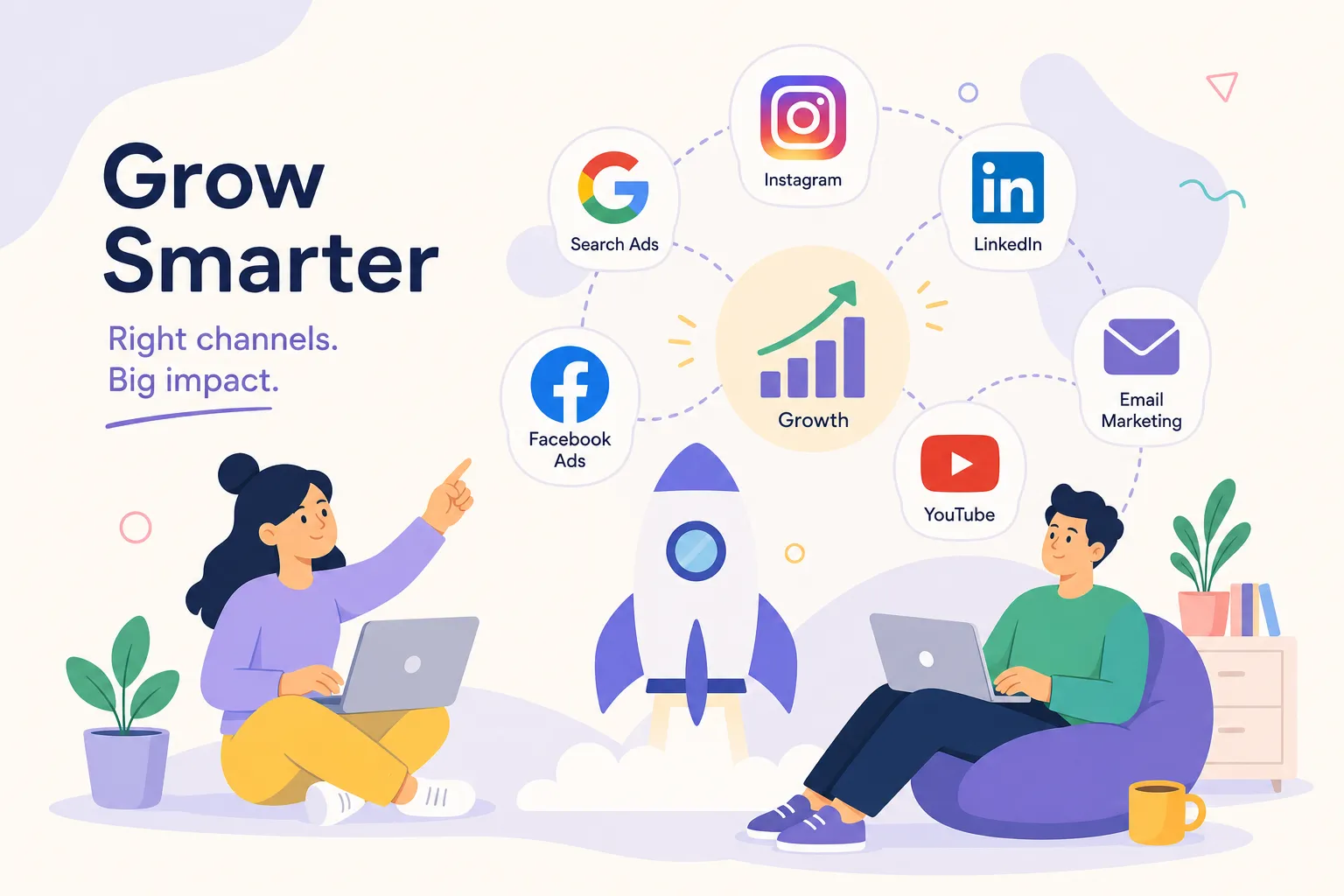
If you only have time for two, make them Instagram and your Google Business Profile. Together they cover discovery, visuals and the all-important “near me” moment. TikTok is where the biggest organic upside is right now if you can commit to regular video.
Content that fills tables (not just gets likes)
Likes don’t pay the bills, bookings do. The venues that win on social in Bristol post with intent. Here’s the content mix that works:
1. The hero dish / signature drink
One standout item, shot well, posted often. This becomes your calling card, the thing people screenshot and send to friends. Bristol diners share food; give them something worth sharing.
2. Behind-the-scenes and people
The chef plating up, the barista’s morning ritual, the team laughing before service. Personality-driven content builds the emotional pull that turns a follower into a regular. People book tables at places that feel human.
3. Real-time Stories
Today’s specials, a last-minute table freed up, the Friday-night atmosphere. Stories create urgency and remind your local audience you exist right now, exactly when they’re deciding where to go.
4. User-generated content
Reshare the photos customers tag you in. It’s free content, it’s authentic social proof, and it rewards the customers who promote you. Make sure your @handle is on menus, receipts and table cards so people know who to tag.
Getting found locally: the Bristol-specific tactics
This is where local knowledge beats a generic playbook, and where a Bristol venue can out-market a national chain.
- Use Bristol location tags and hashtags. Tag your neighbourhood, #WappingWharf, #GloucesterRoad, #StokesCroft, #BristolFoodie, #BristolEats. These are how locals discover new spots.
- Get into the local food community. Bristol has active food bloggers and Instagram accounts with big local followings. A single feature from the right account can fill your bookings for a week.
- Ride the city’s calendar. Harbour Festival, the Balloon Fiesta, Bristol Food Connections, match days near Ashton Gate, plan content and offers around the moments when the city is out in force.
- Nail your Google Business Profile. Fresh photos, current opening hours, and replying to every review. For “restaurants near me” searches, this is often the deciding factor.
Should you run paid ads?
For hospitality, a little paid spend goes a long way, because you’re targeting a small geographic radius, not the whole country. A well-targeted Instagram or Facebook ad promoting a new menu, a bottomless brunch, or a quiet mid-week slot can pay for itself in a single evening’s covers.
Before you spend: work out what an ad needs to return to be worth it. Our ROAS Calculator gives you your break-even return on ad spend by margin, so you know whether a £200 campaign that brings in 15 covers actually made money.
What good looks like: a Bristol case study
When we took over social for a Bristol restaurant chain, the strategy was exactly this: hero-dish content, real-time Stories tied to daily specials, local hashtag targeting, and a small, sharply-targeted ad budget around quiet nights. The result was a 60% increase in bookings driven through social channels. The lesson isn’t “post more”, it’s post with local intent, and make every piece of content point toward a booking.
Getting started
You don’t need a huge budget or a full-time social manager to make this work, you need consistency and a local-first approach. Pick your two core platforms, commit to a simple weekly content rhythm, use Bristol tags religiously, and treat your Google Business Profile as seriously as your Instagram grid.
For more general tactics, our guide to social media marketing tips for Bristol businesses covers the fundamentals across every sector. And if you’d rather have a team handle it while you run the kitchen, this is exactly what we do, see how we approach social media marketing for Bristol businesses, starting with a free audit of where your venue stands today.
Tags: